
I am an avid smartphone photographer involved in road pictures and clicking human portraits. I’ve captured images on my cellphone for over a decade, from budget-oriented $100 smartphones to the finest digicam telephones such because the Vivo X200 Professional, Xiaomi 15 Extremely, and the Oppo Discover X8 Extremely. Smartphone cameras have developed all through this journey. Telephones again then had a single digicam. Over time, twin cameras grew to become the norm on finances and mid-range telephones, whereas flagships have triple or quad digicam setups.
With twin digicam setups, manufacturers usually pair a regular lens with an ultrawide digicam. It appeared like a pleasant proposition till I received my palms on a flagship cellphone with a telephoto digicam. That is after I realized some great benefits of a tighter focal size, and understanding compression, depth of discipline, and focus falloff. There was no going again after I began taking pictures with a telephoto lens. I take advantage of the three.7X digicam on my Vivo X200 Professional essentially the most, greater than the first 1X shooter with a bigger sensor. I really like the photographs, and I really feel it is time for manufacturers to cast off the ultrawide digicam in favor of a telephoto lens. Let me elaborate.

Associated
I examined the Pixel 9 Professional’s cameras towards Oppo’s finest: Here is what stood out
Flagship cameras put to the take a look at
Apple confirmed us the perfect twin digicam mixture in 2016
Google wasn’t unsuitable both

The iPhone 7 Plus was the primary iPhone to get a twin digicam setup. The first shooter was accompanied by a 2X telephoto lens that punched in to seize faraway objects and captured human portraits at a great focal size. Portrait photographs look the perfect when taken at sure focal lengths: 50mm, 70mm, and 85mm, to call just a few. The iPhone’s 2X shooter nearly replicated the 50mm look, which made it a wonderful digicam to have on the cellphone.
As time handed, ultrawide cameras grew to become a fad on smartphones, so Apple added one to the iPhone 11 Professional as a 3rd digicam together with the first and telephoto lenses. The vanilla iPhone 11 changed the 2X telephoto lens with an ultrawide. In spite of everything, this was the development. Most telephones with twin digicam setups had a regular lens and an ultrawide. Even in 2025, most manufacturers observe the identical rule. As much as the $500 to $600 mark, most telephones have the identical digicam setup with a regular and ultrawide lens. Regardless of being a flagship, the upcoming Samsung Galaxy S25 Edge is rumored to have the identical setup.
When Google went towards the development and launched the Pixel 4 with a telephoto lens as a substitute of an ultrawide, they had been trolled by the web neighborhood. I used to be one of many trolls jamming my palms on the keyboard, solely to understand later that Google was appropriate.

Associated
I took 100 images with the Samsung Galaxy S24 FE and the Google Pixel 8a: Right here’s the winner
A midrange digicam showdown
The problem with ultrawide cameras
Why they don’t seem to be engaging anymore

When ultrawide cameras had been new on telephones, everybody was excited concerning the distinctive perspective they captured as a result of slight fish-eye impact. You can seize extra of the scene and match extra folks into a bunch picture. Nonetheless, these had been excellent conditions and solely attainable when the lighting was adequate. It’s because manufacturers use inferior sensors for the ultrawide digicam, leading to softer images that look even worse when there’s restricted gentle.
That is nonetheless the case with a number of smartphones, together with these priced near $1,000. Because of the inferior high quality, most individuals take a few steps again and use the first digicam to seize extra parts within the body. Furthermore, there are restricted cases the place chances are you’ll need to seize a wider space. Maybe a panorama on a trip, or a bunch picture from a university reunion? Then once more, how usually do these occasions happen?
A zoom digicam is extra versatile
From portraits to road photographs, it might probably do all of them
In contrast to an ultrawide digicam that seldom is useful, a telephoto lens has a number of makes use of. For starters, it might probably zoom in on faraway objects to seize them. This could possibly be elements of a constructing, a monument, or a restaurant menu. Moreover, most telephoto cameras have focal lengths just like these excellent for portraits. So, clicking folks’s footage through telephoto cameras produces a greater output than clicking them with the usual 1X lens. All the pieces from the construction of the face to the bokeh seems to be higher when utilizing a telephoto digicam.
A telephoto or periscope zoom lens is extra useful, since it might probably carry out a number of capabilities.
Some telephones have floating telephoto lenses with minimal focusing distances. Such telephoto cameras can be utilized to click on stellar macro images. Lastly, telephoto cameras, particularly the periscope ones, make the right companion for road pictures. The zoomed-in look captures chaos on the streets, folks passing by, distant autos, retailers, eating places, signboards, and whatnot. A number of manufacturers like Vivo and Xiaomi have taken zoom cameras severely and now bundle giant sensors with wider apertures. These giant sensors collect extra gentle, permitting customers to click on higher footage of heavenly our bodies like stars and the Moon.
It is time to swap out the ultrawide for a periscope
Or add a triple digicam setup
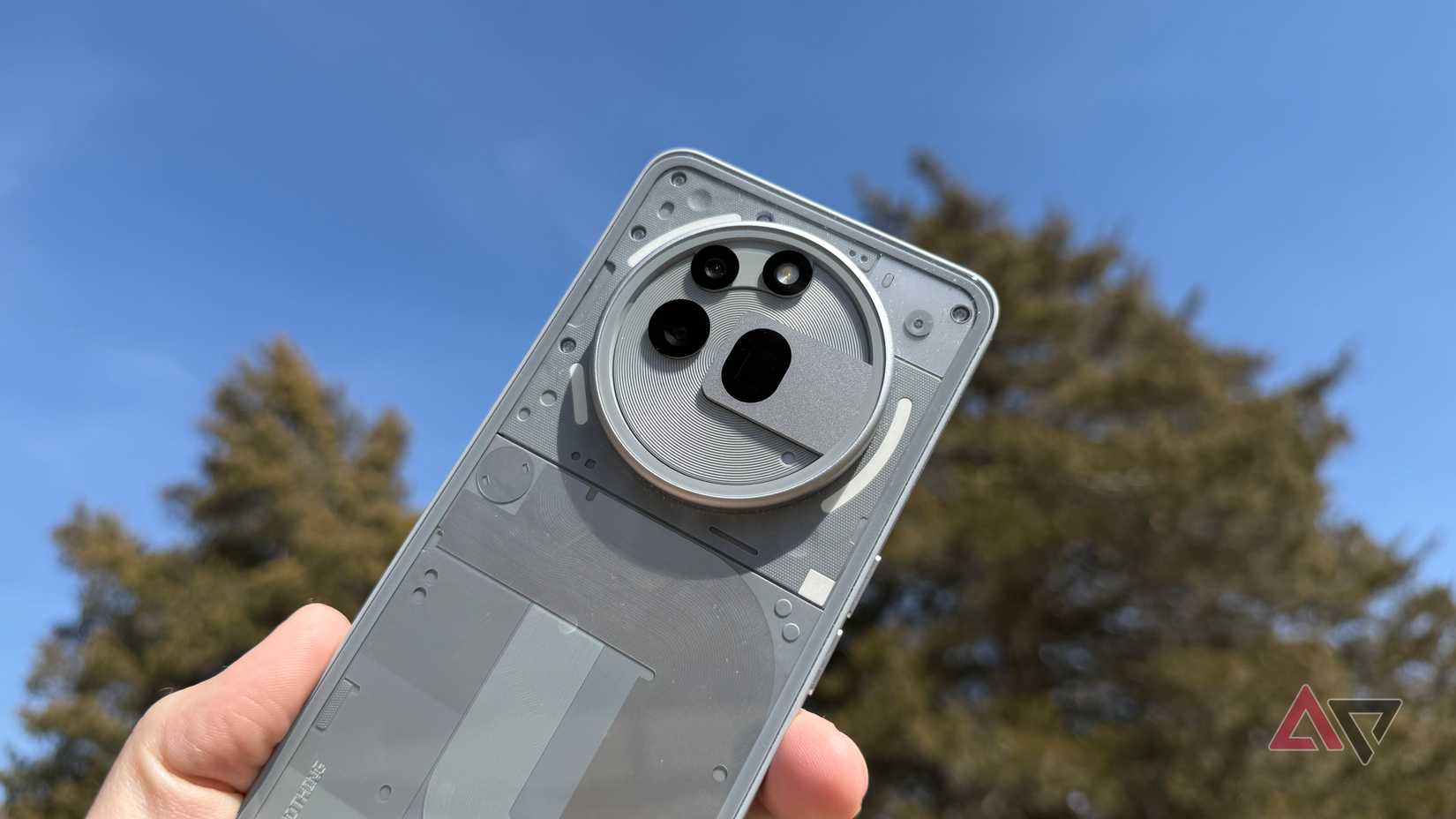
Manufacturers like Nothing realized the rising demand for a zoom digicam, even within the finances to mid-range section, so that they added one to the Nothing Cellphone 3a and 3a Professional. In consequence, these telephones are among the many finest when it comes to cameras of their value vary. Google appears to be bringing the periscope digicam from the Professional lineup to the vanilla Pixel 10, albeit at the price of the remainder of the {hardware}. I want extra manufacturers would understand the price of a zoom digicam over an ultrawide lens, and the development catches on. At present, the upper value of a telephoto or periscope digicam looks as if the first cause why manufacturers aren’t migrating to it.
However, Nothing’s transfer will push manufacturers so as to add a telephoto digicam onto inexpensive telephones, both as a substitute for the ultrawide, or as a tertiary digicam to complement the opposite two. One other massive push will come when Apple replaces the ultrawide digicam on the bottom iPhone with a zoom lens. In spite of everything, the model is thought to set developments within the smartphone market.