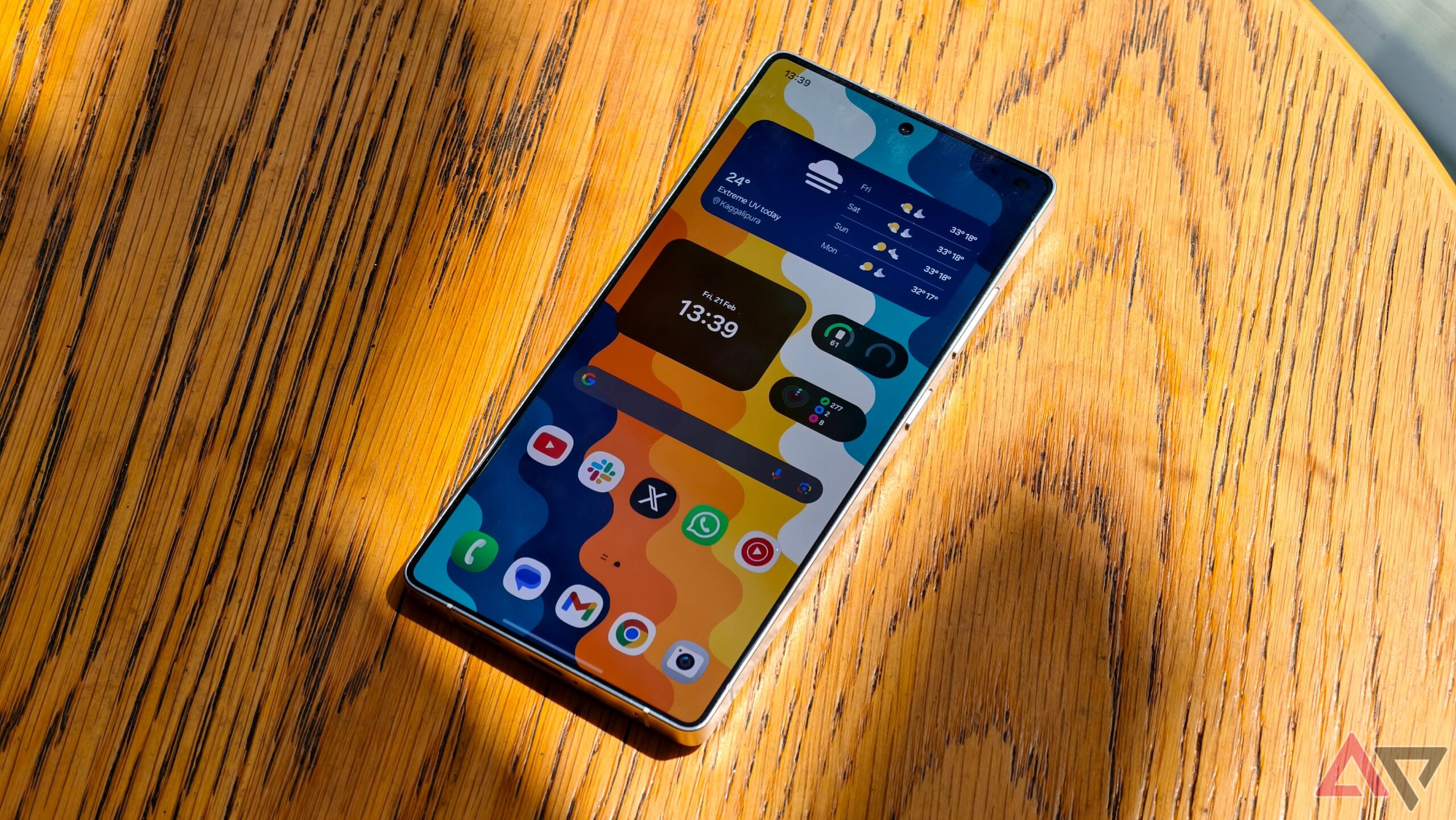
It looks as if an annual occasion throughout which we begin listening to rumors about what chipset Samsung plans to make use of in subsequent 12 months’s Galaxy flagship units. The reply just isn’t at all times simple, as the corporate has a monitor report of switching between Snapdragon chipsets and its Exynos silicon. We’ve additionally seen a break up, the place Samsung places a Snapdragon in US and Korean units, whereas Europe and different areas get an Exynos as a consequence of provide points with the latter.
In earlier years, I understood folks’s frustrations. Customers saddled with an Exynos chipset complained of overheating and poor efficiency whereas nonetheless paying the identical cash as customers who received a Snapdragon-powered Galaxy. Nevertheless, occasions have modified, and Exynos chipsets have improved. I’m not as aggravated by the considered an Exynos-powered Galaxy sooner or later.

Associated
Exynos wasn’t at all times price it
The Galaxy S22 was painful for some
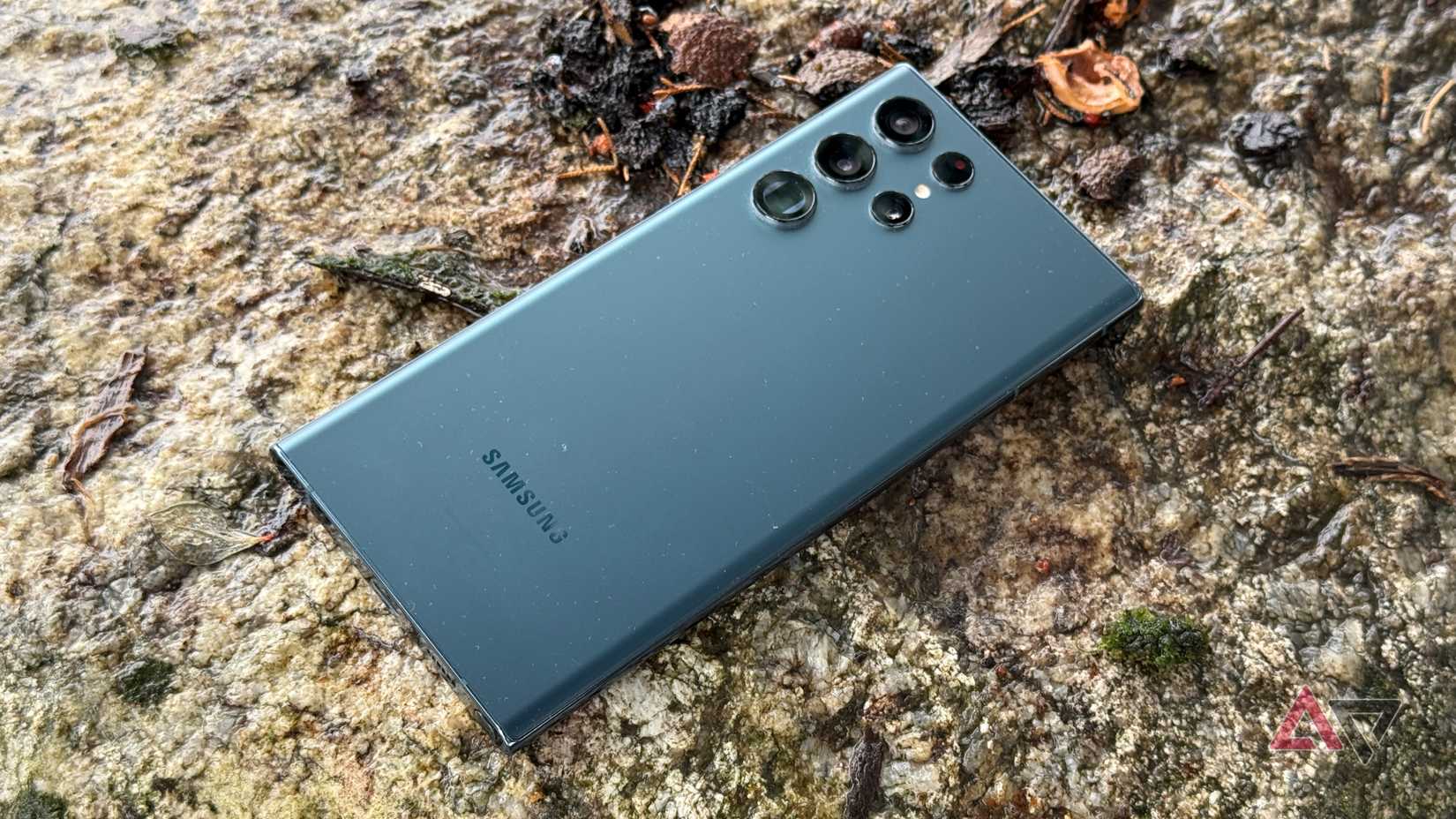
Samsung has used a break up technique a number of occasions for its Galaxy units, with Europe and different areas typically getting an Exynos-powered cellphone. I bear in mind a number of years when this induced points for abroad patrons. The Galaxy S22 Extremely jumps to thoughts forward of others, as its Exynos 2200 lagged behind the Snapdragon 8 Gen 1 chipset featured in US and Korean models. Exynos customers complained that their Galaxy S22 Ultras had poor battery efficiency and overheated frequently. Additionally they claimed their S22 Ultras didn’t have the identical gaming efficiency as Snapdragon-powered units. The proof appeared apparent, and it was laborious to argue that Samsung’s Exynos chipsets lagged behind Qualcomm’s silicon.
It didn’t assist that Samsung charged patrons the identical regardless of the degraded efficiency on the Exynos variants. Customers anticipating a flagship expertise had been disenchanted, and it adopted earlier Exynos disappointments in prior Galaxy telephones. Most patrons had sufficient, and you possibly can inform from the enthusiastic response from abroad patrons when Samsung introduced the Galaxy S23 would function the Snapdragon 8 Gen 2 globally.
Current efforts are a lot better for Samsung
I don’t thoughts Exynos anymore after these two telephones

Regardless of these points, Samsung wasn’t carried out making an attempt to enhance its Exynos chipsets. The corporate continued to make use of them in a number of system lessons, and its fortunes improved. I beloved the Exynos 1480 featured in final 12 months’s Galaxy A55. The cellphone was improbable, particularly for its midrange worth. I noticed glorious efficiency with even higher battery life, typically getting 8 to 9 hours of display time from a single cost. Overheating isn’t a difficulty both, and I’ve skilled no throttling and lag that plagued earlier Exynos units. I’ve solely simply began utilizing it, however I’m experiencing comparable early returns from the Exynos 1580 powering this 12 months’s Galaxy A56.
I at all times hoped Samsung may benefit from Exynos the way in which Apple and Huawei improved by the usage of their silicon.
I’m additionally happy with the efficiency of my Galaxy S24 FE, powered by an Exynos 2400e. Multitasking is easy, and gaming is great on the system, a criticism of earlier Exynos chipsets. Battery life can be as anticipated, which works hand in hand with the cellphone’s lack of overheating. Samsung clearly labored to enhance Exynos, and it’s beginning to pay dividends in a number of of the corporate’s telephones.
I’m eager for the longer term
There are advantages if Samsung will get it proper

I at all times hoped Samsung may benefit from Exynos the way in which Apple and Huawei improved by utilizing in-house silicon. Apple’s M-series chips are a revelation, giving the corporate’s machines improbable efficiency and energy effectivity. It’s the sort of integration you solely get from designing your individual chipsets, and Apple leveraged it to the fullest. The identical goes for Huawei’s Kirin processors. I haven’t used a Huawei system because the ban, however even years in the past, the corporate’s Kirin chipsets had been stable performers with glorious battery life.
Nevertheless, there’s another excuse I’m quietly rooting for Exynos to succeed. It’ll give Samsung one thing to distinguish its telephones apart from Galaxy AI. The corporate would truly innovate its {hardware} and deal with issues its in-house chipset may try this different producers couldn’t. It could be a refreshing change of tempo, and I can’t consider Samsung hasn’t been capable of get there. I preserve listening to of producing shortages and the shortcoming to develop sufficient flagship chipsets for each system, however I hope the corporate figures it out. The Exynos 2600 is reported to make use of a 2nm course of, which might be spectacular.
It’s as much as Samsung to make it work
Samsung has an opportunity to make smartphones pleasurable once more. I’d like to see a contest between Samsung units that includes Exynos, Google units utilizing a TSMC Tensor chipset, and Apple units powered by its M-series processors. The digicam competitors is usually over, due to improved picture processing and computational images. AI is at present failing to launch regardless of each producer pushing it on us. Samsung’s design crew is doing nothing to assist transfer the needle with something intriguing, so maybe it’s the engineers engaged on Exynos that may shock us with one thing price getting enthusiastic about with Samsung once more.