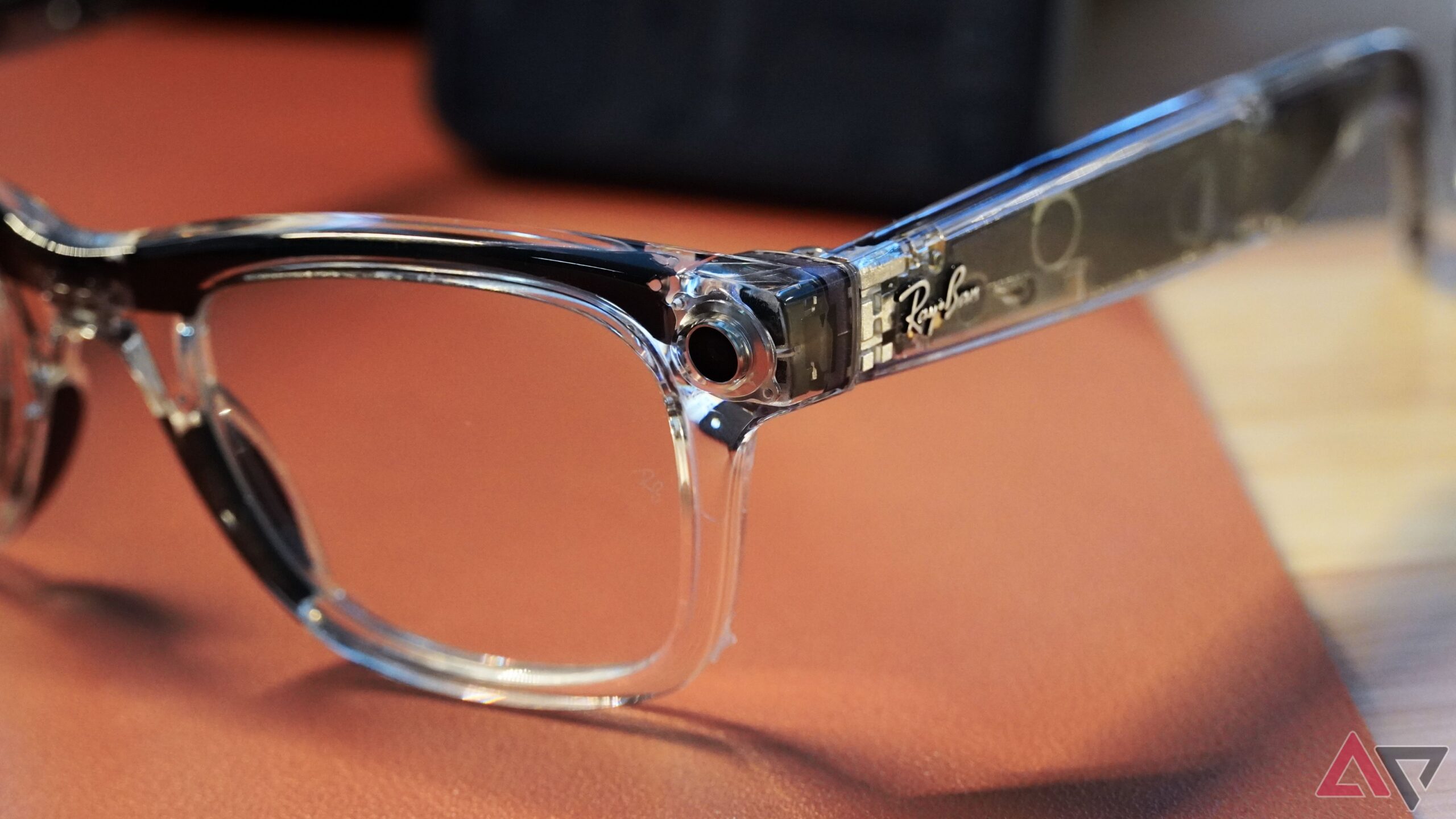
Analysis is being carried out into how smartglasses outfitted with a digital camera, AI, and a knowledge connection may assist deaf folks higher observe real-time conversations. The expertise received’t substitute listening to aids, however improve them as an alternative, and you may consider it a bit like equipping them with sensible noise cancellation.
The idea is being studied at Heriot-Watt College in Scotland, and venture lead Professor Mathini Sellathurai defined the way it labored:
“You merely level the digital camera or have a look at the individual you wish to hear. Even when two individuals are speaking directly, the AI makes use of visible cues to extract the voice of the individual you’re taking a look at. It’s aimed to assist individuals who use listening to aids and who’ve extreme visible impairments, however it may assist anybody working in noisy locations, from oil rigs to hospital wards.”
Sellathurai mentioned the expertise will give listening to aids, “superpowers,” and went into additional element about how they may work, and the place AI suits in. The digital camera on the smartglasses tracks a speaker’s lip actions, and thru lip-reading expertise and AI cleansing up background noise and different surrounding conversations, a “clear” model of the speaker’s voice is shipped to listening to aids or headphones.
Cloud processing
The processing is just not carried out on system although. The smartglasses will ship information to a linked telephone, the place it’s then despatched to cloud servers. There, AI smarts are utilized and the ultimate model returned to the wearer. In response to Sellathurai, there’s solely a slight delay when the info is shipped over a 5G connection.
The crew is at the moment utilizing cloud servers in Sweden, and says this strategy is important to keep away from placing an excessive amount of pressure on a wearable system. Nevertheless, there could also be privateness issues over not solely a tool wearer recording a dialog in real-time, but additionally the integrity of that information when it’s transferred and analyzed within the cloud.
Utilizing smartglasses with a digital camera, listening to aids, and AI expertise to boost listening to might sound like an excessively complicated method of addressing the issue, however it’s a longtime strategy referred to as audio-visual speech enhancement. It’s already utilized in listening to gadgets to boost the voice of an individual talking in a loud setting, in video manufacturing, and in listening to aids as a sort of noise cancellation.
Competitors and prototypes

Related expertise has been demonstrated previously. Speech-to-text expertise from TranscribeGlass was integrated into the Vuzix Z100 sensible glasses, the place conversations have been transcribed onto the Z100’s display for the wearer to learn, like subtitles for the world round them. The Nuance Audio Glasses mix each corrective lenses and listening to assist expertise into sensible eyewear. The Ray-Ban Meta, one of many finest present smartglasses you should purchase, embrace accessibility options for these with listening to and imaginative and prescient impairments.
TranscribeGlass’s eyewear begins at $377 and requires a $20 per thirty days subscription, whereas Nuance Audio Glasses value from $1,200. Professor Sellathurai mentioned the intention is to extend the quantity of choices out there for hearing-impaired folks, and assist, “kids and older adults entry inexpensive, AI-driven listening to assist.”
The researchers are in talks with listening to assist producers about partnerships and methods to scale back prices, and hope to have a working prototype pair of smartglasses in 2026.